 Advertisement
Nauseous most mornings, every test normal? Ask about one vitamin.
A VA study published this summer tested hospital patients who did not have a drinking problem. One in four were low on vitamin B1, and two out of three of those felt it in their gut: no appetite, nausea, vomiting, constipation. What it's called, the test to ask for by name, and the formula I built around a B1 that gets in.
Rick Pescatore, DO. Board-certified emergency physician, Editor-in-Chief of Emergency Medicine News, former Chief Physician of the Delaware Division of Public Health, 100+ publications. More than 400,000 people follow his public-health videos.
Step 1. Tap what sounds like you.
Step 2. Tap what is true for you.
Gastrointestinal beriberi.
Beriberi is the old name for running out of vitamin B1. Medical school teaches two versions: the brain one and the heart one. There is a third, and it lives in the gut. Appetite fades. Nausea settles in. Vomiting comes and goes. The bowels slow down.
None of that is specific, so it gets called a stomach bug, a sensitive gut, or IBS, and the scans come back normal. Most people, and plenty of doctors, have never heard the name.
One in four. None had a drinking problem.
For decades, low B1 has been taught as a disease of heavy drinkers. Researchers at the VA in Reno tested the people that teaching leaves out.
286 hospitalized veterans, none with an alcohol use disorder. One in four (26%) had low plasma thiamine.
Two out of three of the low ones (29 of 43 interviewed) met the study's definition of gastrointestinal beriberi: loss of appetite, nausea, vomiting or constipation with no other explanation. Loss of appetite was the most common symptom.
The usual test missed them. The whole-blood B1 test most labs run flagged 2.7% of patients. Plasma flagged 26%. That is about nine out of ten missed.
Two weeks of B1. After 100 mg of plain oral thiamine a day, 27 of the 32 low patients who came back said their symptoms had improved, and their memory and strength scores rose.
What it can't tell you. It was one hospital, mostly older men (average age about 70), with no comparison group. And plenty of patients with normal B1 had the same gut symptoms. That is the point: symptoms can't tell you whether B1 is the reason. A plasma level can.
Ask for it by name.
Vitamin B1 is not on routine bloodwork. When it does get ordered, most labs run the whole-blood test, the one that missed most of the low patients in this study. Ask for a plasma thiamine level. Ask before you start any B1 supplement, because the supplement will raise the number.
"Can we check a plasma thiamine level? I've had nausea and a poor appetite for weeks, and everything else has come back normal."
Do not wait for a visit if the vomiting will not stop, you are losing weight without trying, or you notice confusion, double vision, or an unsteady walk. That is an emergency department visit today. If you could be pregnant, take a pregnancy test first.
B1 is a small tank, and the gut is the only door.
The body cannot make vitamin B1 and keeps only a few weeks in reserve. Every bit of it comes in through the gut, which is why a struggling gut and a low tank so often travel together. Tap what empties it.
Four of those empty the tank. One refills it.
Why a B1 that gets in sits at the heart of Calm.

Your gut is where B1 gets in. It is also one of the first places to complain when it doesn't. Ordinary B1 depends on a gut transporter that gets less efficient as the dose rises and that several common drugs block. So Calm is built around a well-absorbed form, with ginger alongside it. Six actives, two capsules a day with a meal.
Benfotiamine, a well-absorbed form of vitamin B1 that reaches the blood at several times the level of the ordinary kind, with magnesium glycinate alongside it. Supports normal nerve function and energy metabolism.*
Ginger root extract for a settled stomach, with beta-caryophyllene, a terpene from black pepper and cloves, as the lead active, and curcumin with the piperine that makes it absorb.*
See every dose
| The B1 | |
| BenfotiamineA well-absorbed form of vitamin B1. | 100 mg |
| MagnesiumAs magnesium glycinate. B1's working partner. | 150 mg |
| The terpene and the settle | |
| Beta-caryophylleneFrom black pepper, cloves and copaiba. The lead. | 100 mg |
| Ginger root extract, 4:1 | 100 mg |
| Turmeric extract, 95% curcuminoids | 80 mg |
| PiperineMakes the turmeric absorb. | 5 mg |
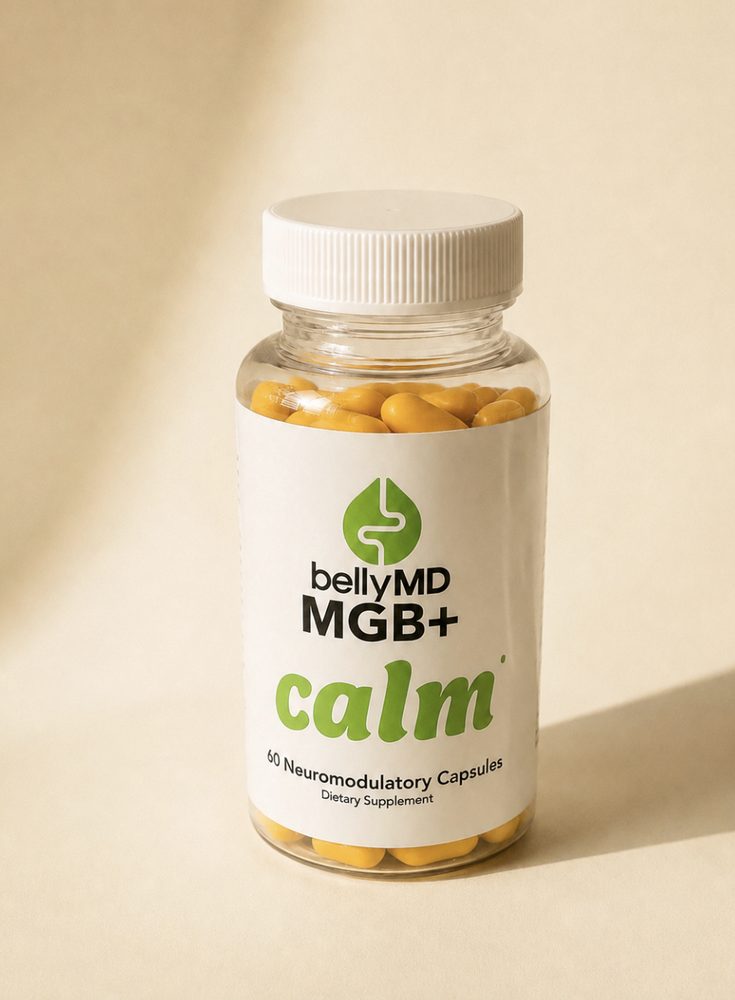
One bottle is a month. The protocol is three, and the 12-week guarantee covers all three.
My guarantee: 12 weeks, your first order, up to three bottles. Not helping? One email and it's refunded. Keep the bottles.
New customers: $119 today, then $129 every 90 days.
The $10 new-customer discount is applied for you at checkout. Free shipping. Subscriptions renew automatically at the price shown until you cancel; skip or cancel anytime.
For adults who want a daily, well-absorbed B1 with ginger, magnesium and the terpene alongside it. Not for pregnancy, nursing, or under 18. Ask your clinician first if you take a blood thinner or live with kidney disease.
Calm is a supplement. It does not diagnose or treat beriberi or any vitamin deficiency. If your plasma level comes back low, your clinician treats that, often with plain thiamine. Vomiting that will not stop, weight loss you can't explain, confusion, double vision, or an unsteady walk is an emergency department visit today, not an order.
Is this just IBS?
Maybe. IBS is diagnosed by its pattern once other causes have been looked for. Low vitamin B1 is one of the causes almost nobody looks for, and a plasma thiamine level is how you look.
The study used plain thiamine. Why not just take that?
If your level is low, plain thiamine is what the study used and what your clinician may prescribe. For everyday support, ordinary thiamine relies on a gut transporter that gets less efficient as the dose rises and that metformin and several antidepressants block. Benfotiamine reaches the blood at several times the level, which is why Calm uses 100 mg of it.
Will a supplement change my test?
Yes. Any B1 supplement raises the number. If you want to know where you stand, get the plasma level drawn first, then start.
Can I take it with what my clinician prescribed?
For most people, yes. Bring the label to your next visit. Metformin and several antidepressants are among the drugs a 2020 study found interfere with ordinary B1 absorption. Keep taking them; that is a reason to mind your B1, not to stop.
Does it matter when I take it?
With a meal. Most people pair the two capsules with breakfast or dinner.
How does the guarantee work?
Twelve weeks from delivery. If Calm is not helping, email support@belly-md.com and your first order is refunded, up to three bottles. You keep the bottles. One refund per household.
Ask for the level. Keep the tank full.
Start the 90-day protocolThis is an advertisement for MGB+ Calm, a dietary supplement made by BellyMD. Dr. Pescatore is the founder of BellyMD. The 2026 VA study measured thiamine in hospitalized veterans at one center and gave plain oral thiamine to those who were low; the 2025 report describes a single patient; the 2020 study is a laboratory study of drug effects on a transporter. None tested MGB+ Calm or benfotiamine. *These statements have not been evaluated by the Food and Drug Administration. This product is not intended to diagnose, treat, cure, or prevent any disease. Individual experiences vary. Consult your clinician before starting any supplement, especially if you are pregnant, nursing, taking medication, or living with a medical condition.