
West Nile in Philadelphia: the sources behind this morning's video

Everything I said in this morning's video, and where each number came from. The figures are the Philadelphia Department of Public Health's, current through the week of September 13 to 19, 2026.
The numbers
“Nearly one in three batches of mosquitoes in Philly is testing positive for West Nile virus.”
The city has tested 636 batches this year and 182 came back positive, which is 29%. It says this year looks like 2010, 2018 and 2022, its peak seasons, when positivity ran 24% to 45%.
Philadelphia Department of Public Health: West Nile surveillance
“That's almost three times a normal year, and one person has already died.”
29 divided by 11 is 2.6, so "almost three times" holds and a flat "three times" would not. Six people in Philadelphia have had the brain or spinal cord form of the disease this season and one has died. One blood donor tested positive and was caught by routine screening.
Why I said “batches” and not “mosquitoes.”
The city doesn't test mosquitoes one at a time. It tests them in batches of 50 or fewer from the same trap, species and night. One infected mosquito turns the whole batch positive, and the traps are built to catch the Culex females most likely to be carrying the virus. So the share of individual mosquitoes carrying it is far lower than 29%, and Philadelphia doesn't publish a per-mosquito figure. The batch rate is how the city compares one year with the next.
The mosquito
“This one's plain brown and bites at dusk. It's the mosquito you grew up with.”
In the northern states the main West Nile carrier is Culex pipiens, the northern house mosquito. It breeds in still, leaf-fouled water: catch basins, clogged gutters, neglected containers. The striped daytime mosquito from my dengue video is a different animal.
CDC guidelines: primary vectors by regionPennsylvania DEP: when mosquitoes are active
“Everybody thinks mosquito season is over. It lasts until the first hard frost.”
That is the health department's own wording: increased risk for human infection continues in Philadelphia until the first hard frost.
Who gets seriously sick
“Most people who catch it will be fine. About one in a hundred and fifty get it in the brain.”
About 8 in 10 infected people never have symptoms. About 1 in 5 get a fever and flu-like illness. Fewer than 1 in 100 develop the severe form, an infection of the brain or spinal cord, and about 1 in 10 of those people die.
“Mostly people over fifty or on immune-lowering drugs like chemo, Ocrevus, or rituximab.”
Philadelphia puts the highest risk at 50 and older. CDC says risk climbs with age and that people 65 and older are three times as likely to develop neurologic illness. In August, CDC issued a health alert for patients on anti-CD20 medicines (rituximab, ocrelizumab, ofatumumab, ublituximab, obinutuzumab). In the published case reports about 40% died. Those are reported cases, which skew severe, so read it as much higher risk and not as 40% of infections.
Do not stop these medicines because of a mosquito. Talk to the doctor who prescribes them. The answer is repellent, covering up at dusk, and knowing the symptoms.
CDC Health Alert 00532Philadelphia's relay of the alert, August 20 (PDF)
What to do
- Repellent at dusk and after. Anything EPA-registered works: DEET, picaridin, IR3535, or oil of lemon eucalyptus. Follow the label for kids.
- Get the leaves out of your gutters and tip out anything that holds water for more than a few days.
- Symptoms worth a visit: fever with a severe headache, stiff neck, confusion, or new weakness, especially in someone over 50 or on the medicines above. Say the words "West Nile" when you get there.
CDC: preventing mosquito bites
For clinicians
- Fever plus new encephalopathy, meningismus, or acute flaccid weakness in September and October in Philadelphia: think West Nile before the workup settles on a UTI or "viral syndrome." PDPH asks clinicians to collect serum and CSF for patients with unexplained encephalitis or meningitis, and notes that a negative serum antibody test in the first 8 days does not exclude it. Report suspected cases to PDPH at 215-685-6741.
- Ask about anti-CD20 therapy. These patients can have delayed or absent antibody responses, so IgM can stay negative. CDC's advice for them is to order molecular testing (RT-PCR or metagenomic sequencing) rather than rely on serology.
PDPH testing and reporting requirements (PDF)CDC Health Alert 00532: testing guidance
Not medical advice for your situation. If you're worried about a specific symptom, get seen.
Know someone this is for? Send them this page.
Every number on this page links to where it came from. If I got one wrong, tell me and I'll correct it here.
Rick Pescatore, DO
I'm an emergency physician, the editor-in-chief of Emergency Medicine News, and a former chief physician for Delaware's Division of Public Health. I founded BellyMD to work on the gut-brain problems medicine tends to wave off.
The formulas I make
MGB+ is the daily gut-brain line I formulated at BellyMD. Three formulas, each built for one pattern.
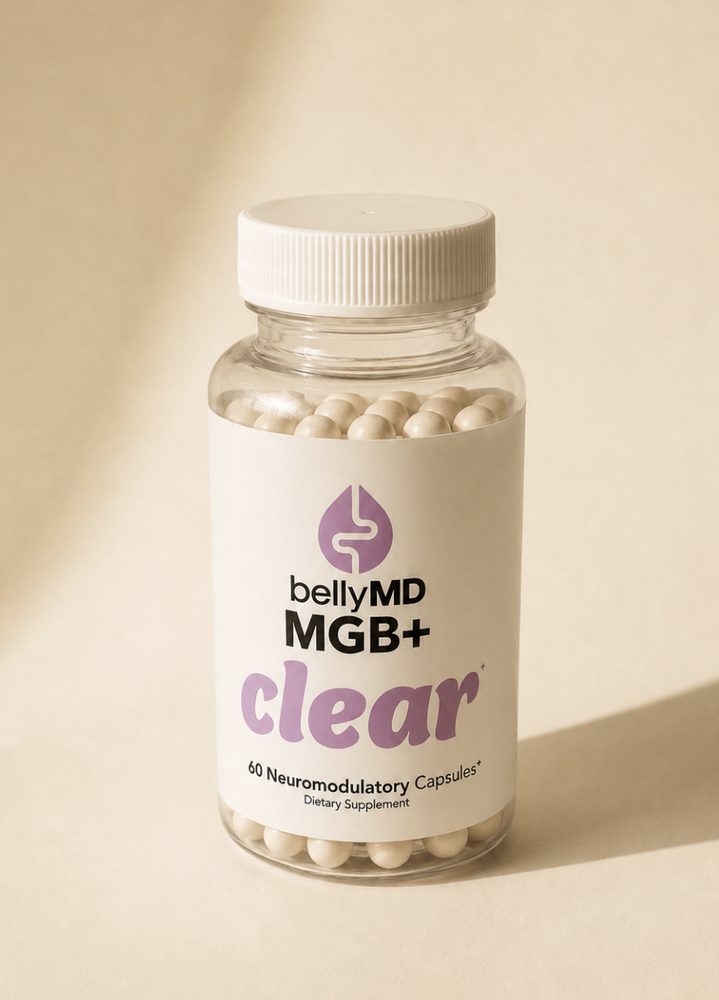
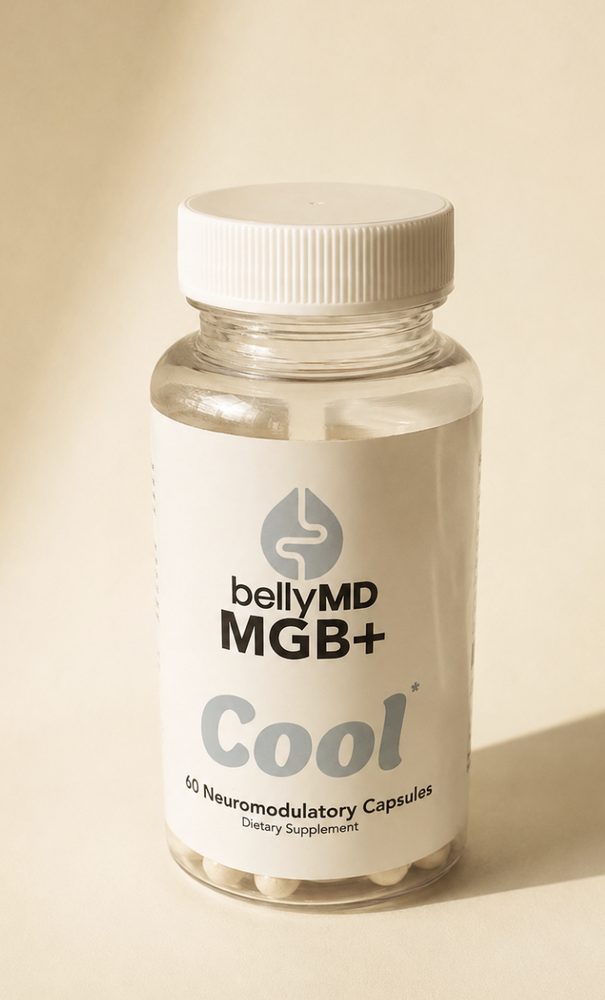
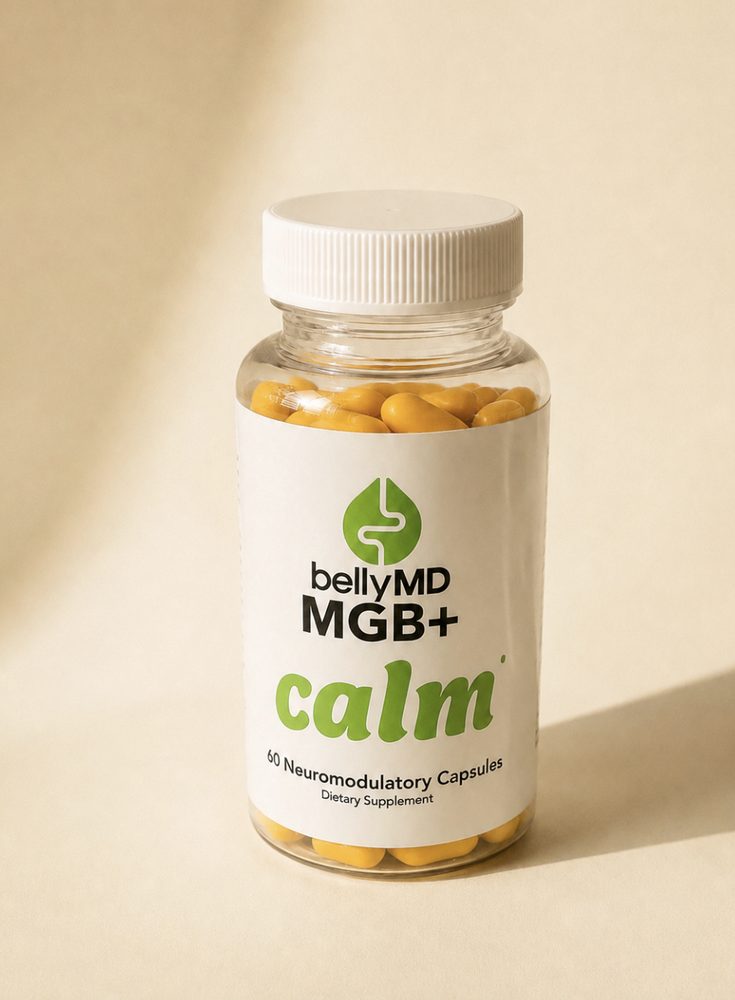
Every first order carries the 12-week money-back guarantee. Feel the difference or it's free, and you keep the bottles.